Arles Diary, part 4
About the money that was in journalistic photography, the quality of the Stern, how photojournalism was founded, and with it a whole form of dealing with photography is dead now: The topics are not gone, they just receded from a public eye into the photobook.
Art is the enemy of photography
At the height of its success in the 70s, the German weekly photo magazine "Stern" published between 1.5–1.8 million copies each week. They wielded huge political influence. Imagine your photos circulating in a magazine of this magnitude: Even for the miniature tiles of Instagram, this kind of audience is huge, but now imagine it printed larger than A4 in a glossy tabloid... Deffarge & Troeller worked for Stern from 1959 to 1972.
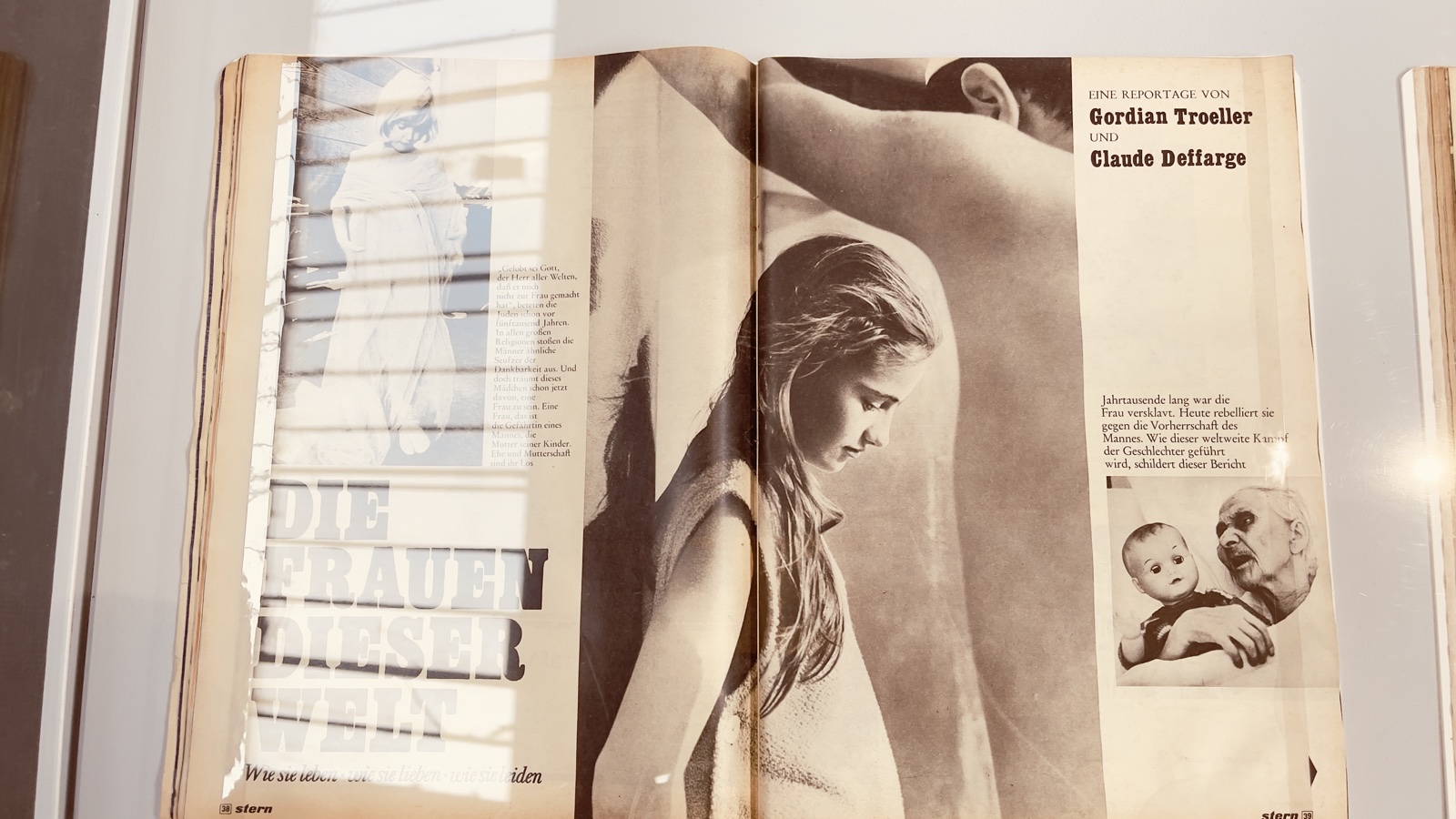
In that period they reported from over 70 countries, concentrating on the Middle East and the Global South. Early on their features came especially from Iran, Yemen and the surrounding region, and later from all over the world. Their socially and politically engaged foreign reportage, paired with elaborate photo essays, set new standards in German journalism — a high point being a 25-part Stern series in 1964 on the position of women across different cultures.
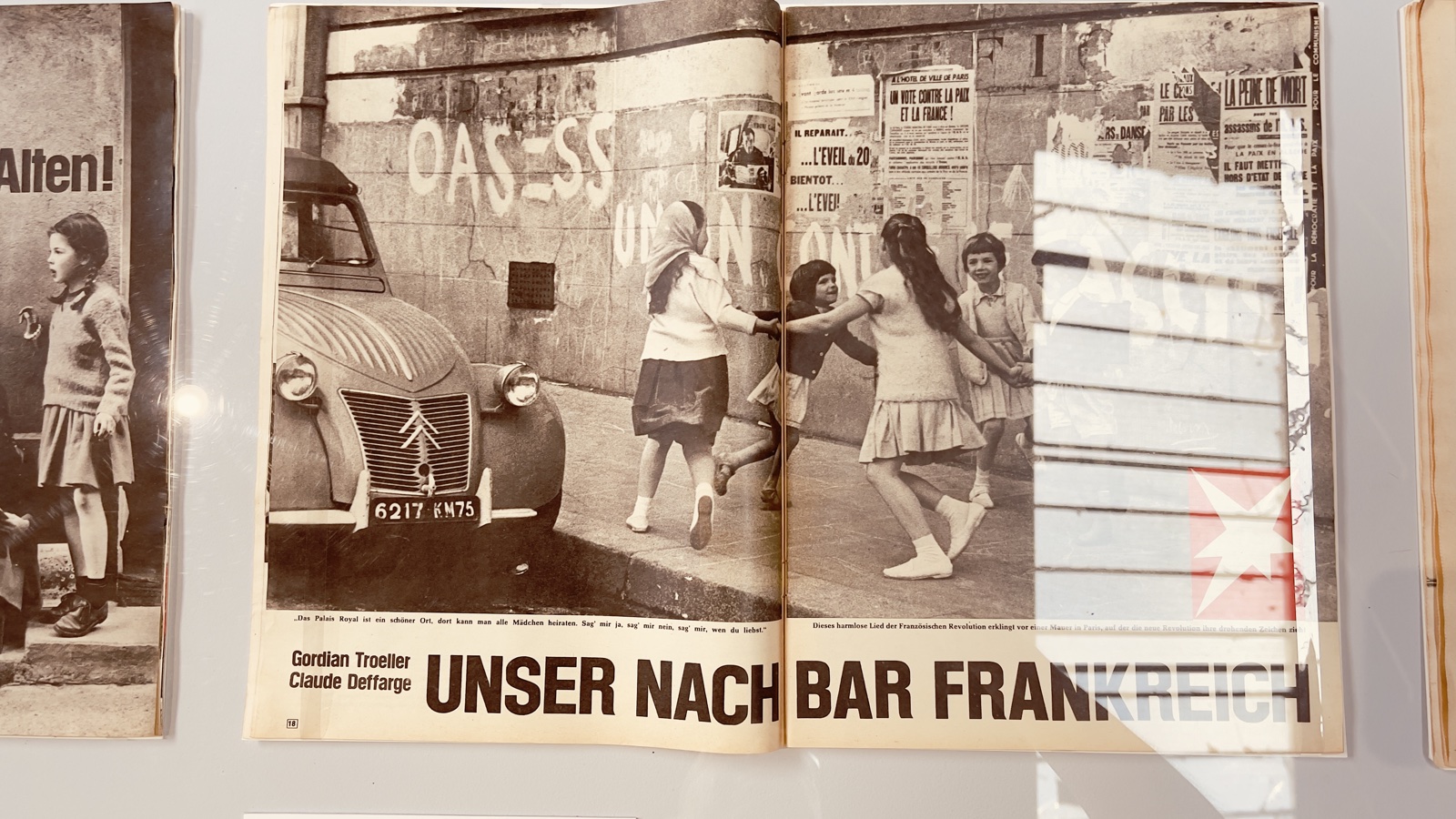
Their work is shown in the Maison des Peintres, a large venue in an old factory, showing large prints alongside the original publications, accompanying texts on the influence their photography had on an audience in Germany: If the "bearing witness" somehow feels dated today, with all these testimonies being borne and fading instantly into an abyss of media, in the 70s, this was the dominant way to get to know of the world. And as this was a mainstream publication, you get a rough idea how far this mainstream has now moved to the right into the pitiless cruelty that we made ourselves comfortable in today.
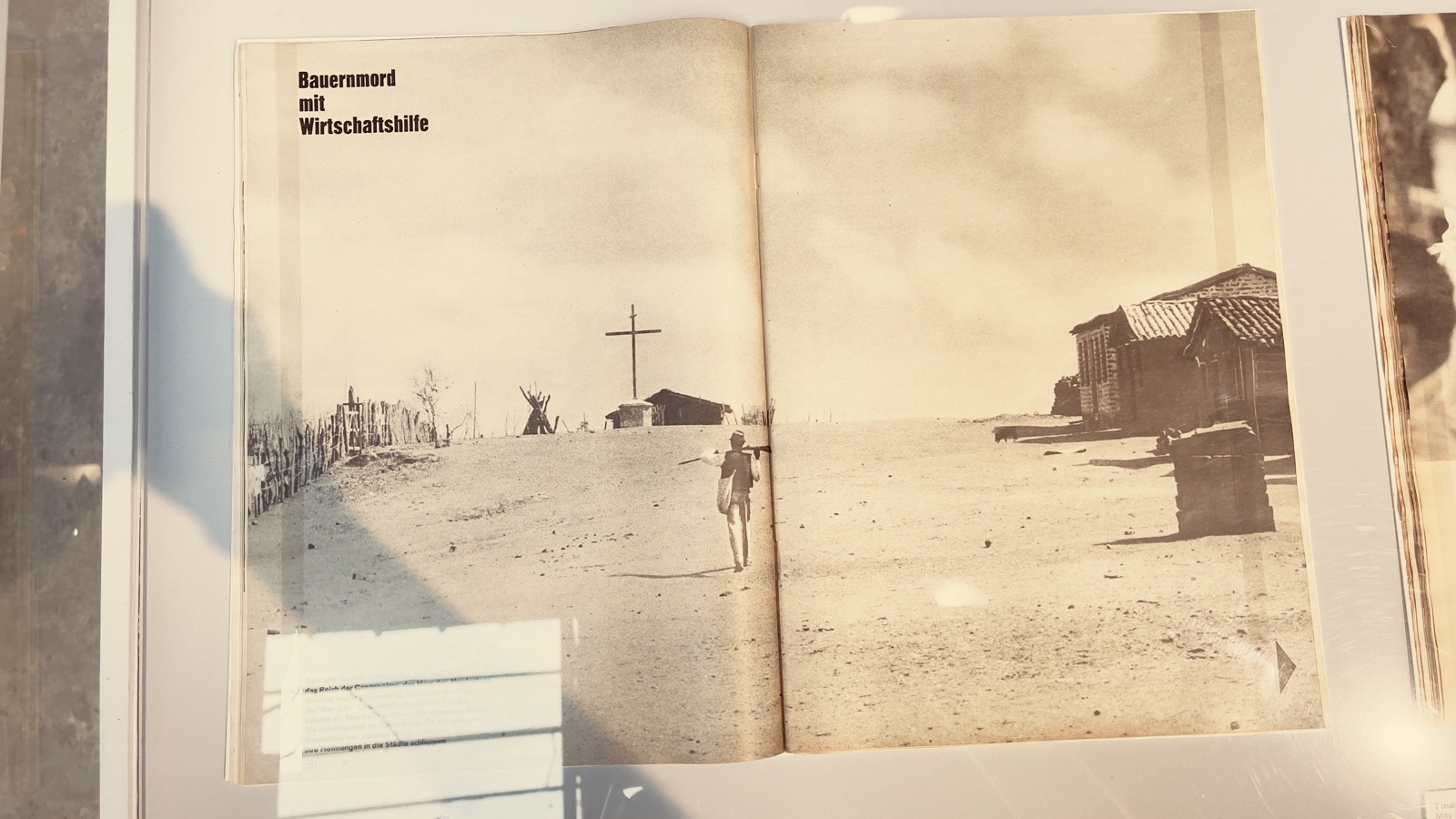
And the money that was in journalistic photography sure made a difference: They spent months or even years researching for their articles - and imagine your expenses being paid by a magazine that actually employs you! That kind of time and economic security is almost gone today, freelance journalists are sent out into the field to "snap some shots on their phone", and if we don't even get these: you just use some stock-photography with your article...
It feels like a whole form of dealing with photography is just dead now: The topics are not gone, they just receded from a public eye into the photobook. If you get the feeling: these festivals are mostly flooded with photographers and everybody is only there somehow angling to "be discovered": Photography has largely been erased from the public eye, when the publications that did the connections ceased to exist. And while this kind of photography is not gone, photographers needed another outlet - so the rise of the photobook as a mainstream publication coincided with the decline of the photographic magazine...
But of course, not all stories that appear in magazines can be blown up to fill the space of a book: Sometimes it's just three great double spreads to distill a year's work and that's it... This is why so many photobooks feel so bloated: The distillery step is missing, the boiling down of a year of work into a stretch of four pages accompanied by a journalistic text. And yes, this distillery butchered great works down into palatable bits and there were certainly books lost because photojournalists never got to the idea of treating their work differently. But the other way round is also true: Not all of your photos hold up, you don't have more to say than these four pages, you need the text and you can't resist the temptation to add "quiet, poetic moments", shift your work into things too general to mean anything. This gives us meandering books, repetitive musings about memory, loss, identity and cookie-cutter texts that already sound like they were created with an AI... everything paired with this constant feel of trying-too-hard - art is the enemy of photography.
Bound constraint, purpose.
It sometimes feels we're not good at dealing with freedom: If they can do what they want, photographers often seem to lack a sense of purpose and the will to photograph precedes the "what to photograph", resulting in a lack of urgency of the matter at hand. Sometimes it helps, if you just photograph to earn money and entertain people:
Paul Kodjo — Photoromance (Independence sequence; venue: Croisière, Arles; 6 July–4 Oct 2026)
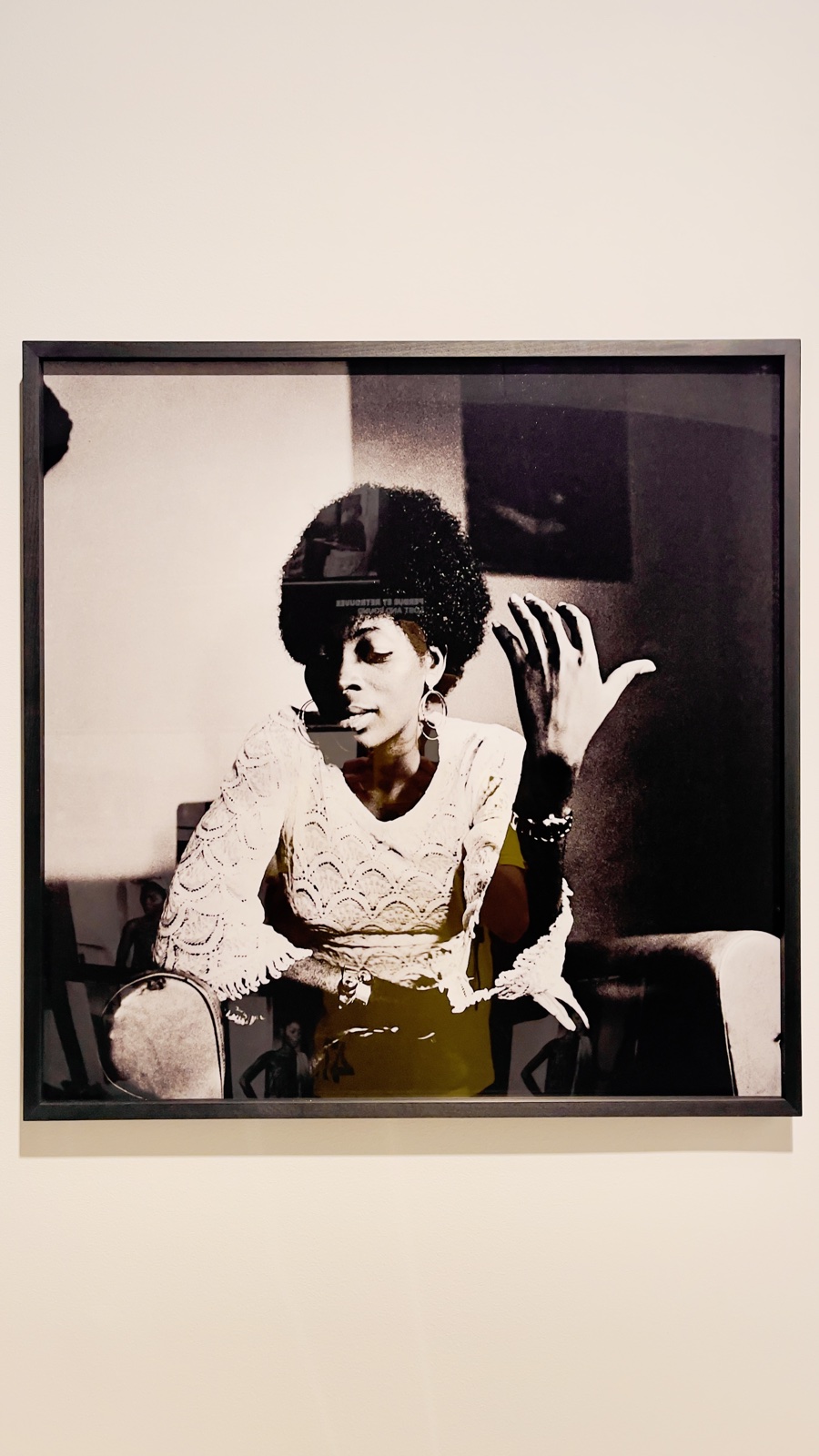
Paul Kodjo (1939–2021) was a defining figure in the visual culture of post-independence Côte d'Ivoire. He started out in Abidjan in the early 1960s, moved to Paris in 1967 to study photography, then returned to Abidjan in 1970. There he founded the avant-garde agency MAMEDIS (Mass Media Service), offering photography, cinema and publishing. From 1971 he published his first photo-romans (photo-novels) in the weekly magazine Ivoire Dimanche — melodramatic serials that, as the festival puts it, shaped a visual education in romance "Ivorian-style." He was among the first African photographers to take up the photo-novel, drawing on cinematic language to compose still images.
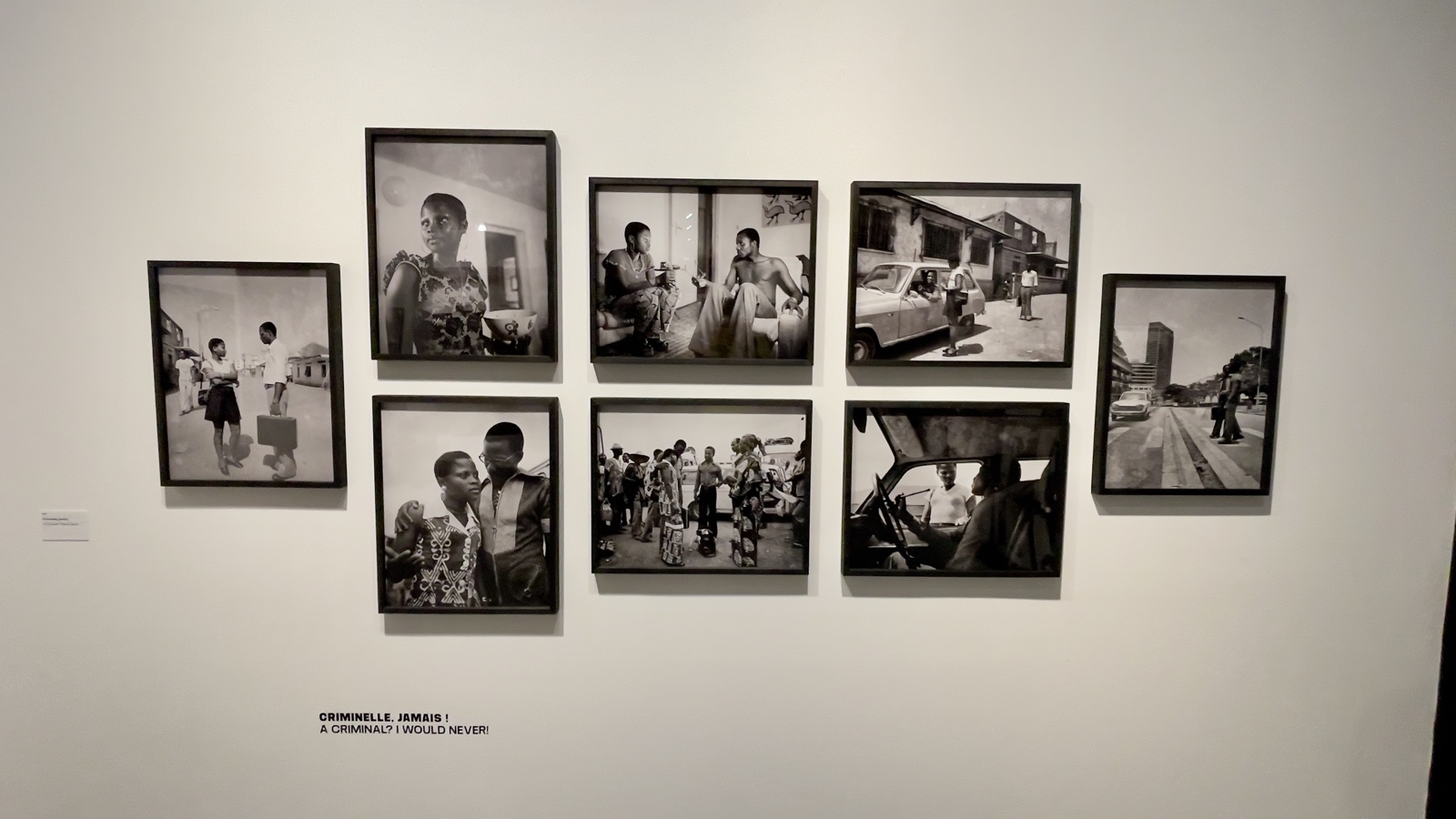
This is bound photography, photography that is subservient to the storytelling - and yet it has what David Campany called "an excess of reality": Accidentally it hauls in faces, textures, surroundings, and the feel of Abidjan of the 70s - to make portraits that stick with you and scenes that put you on the streets of the city. These were not high-end productions: They were just shot on the streets, with actors from his circle; there are fashion shots for local brands that never made it out of the Côte d'Ivoire, casual shots of family and friends. This is effortless, casual photography, but precise and vibrating with now-ness.
I don't know, maybe it's just me: There are some hard-hitting pieces in Arles, but I found myself to be overly nostalgic and being driven to other ages and other countries - is that the sentimentality, is that an issue with our current state of affairs, am I just getting old, do we just need the passage of time and looking back to appreciate the time we're living in?